
Low-fat diets focus on reducing fat intake while emphasizing nutrient-rich foods. A low-fatPDF provides guidance on selecting healthy options. Fruits like apples, berries, and citrus are naturally low in fat. Limiting fat to 25-35% of daily calories promotes weight and reduces chronic disease risks. This approach supports and sustainable lifestyle changes.
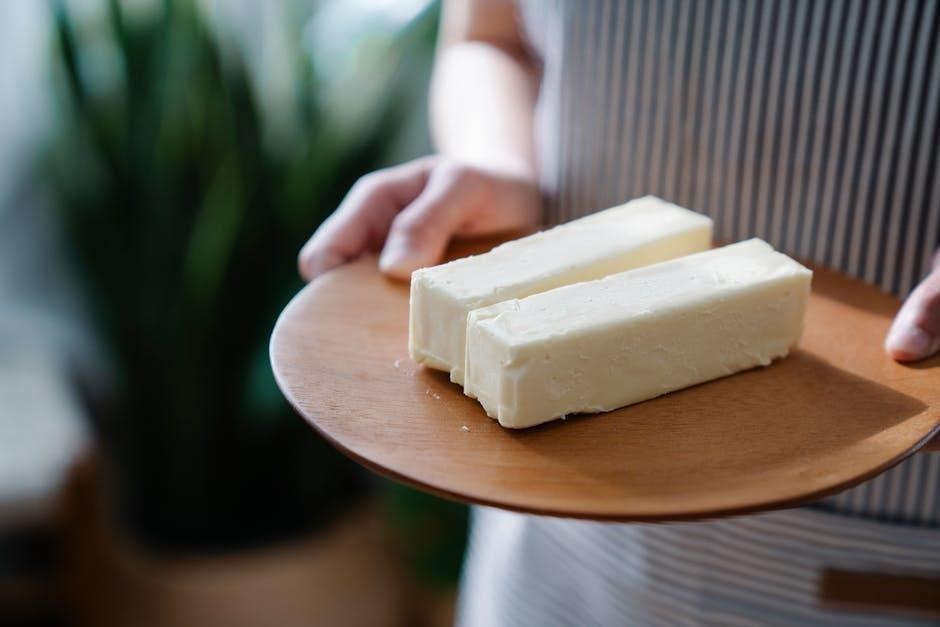
Understanding Low-Fat Diets
Low-fat diets emphasize reducing saturated and trans fats while focusing on fruits, vegetables, whole grains, and lean proteins. Limiting fat to 25-35% of daily calories promotes heart health and weight management. Choose foods like apples, carrots, and broc
The Benefits of a Low-Fat Diet
Adopting a low-fat diet can enhance overall health and well-being. It aids in weight management by reducing calorie intake from fatty foods. Lower fat consumption minimizes the risk of heart disease, stroke, and certain cancers. A low-fat diet also promotes better digestion and immune function. For instance, consuming fruits like apples and citrus can boost vitamin intake.
Basic Principles of Low-Fat Eating
Low-fat eating focuses on reducing fat intake while emphasizing nutrient-dense foods. Prioritize fruits, vegetables, whole grains, and lean proteins. Limit saturated and trans fats, found in fatty meats, butter, and processed foods. Choose heart-healthy fats like avocados, nuts, and olive oil in moderation. Prepare meals by grilling, baking, or steaming rather than frying. Incorporate plant-based proteins such as legumes and tofu to reduce reliance on fatty animal products. Swap high-fat dairy for low-fat or plant-based alternatives. These principles help create a balanced, low-fat diet that supports weight management and overall health.
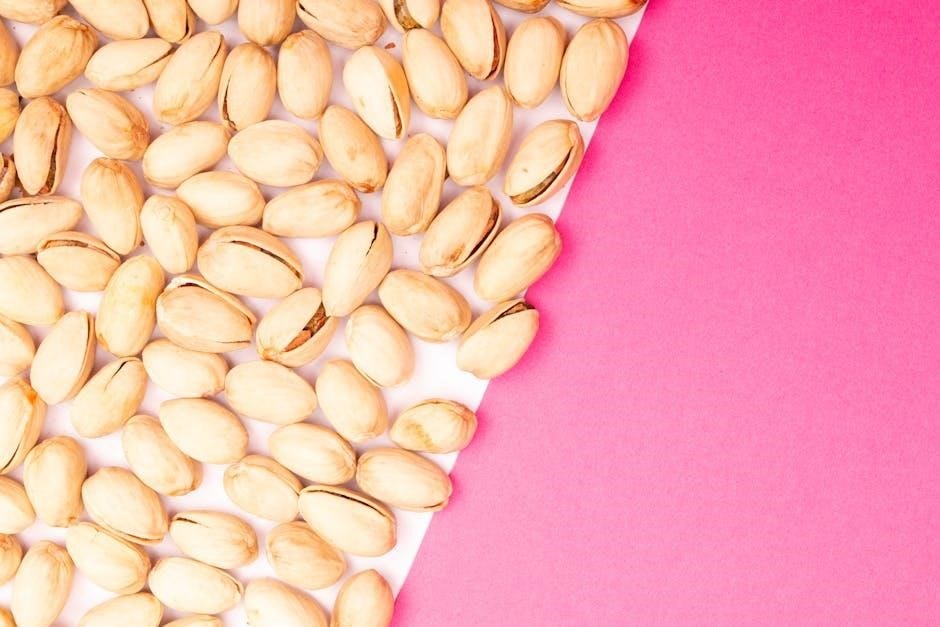
Low-Fat Fruits: Top Picks
Fruits like apples, berries, citrus, and melons are excellent choices for a low-fat diet. These options are naturally low in fat and rich in vitamins, fiber, and antioxidants. Incorporate them fresh, frozen, or blended into smoothies for a healthy, low-fat boost. Enjoying these fruits supports digestion and overall well-being.
Best Low-Fat Fruits for a Healthy Diet
Berries, apples, citrus fruits, and melons are stellar choices for a low-fat diet. These fruits are naturally low in fat and packed with essential nutrients, including vitamins and fiber. Berries, for instance, are rich in antioxidants, while citrus fruits provide vitamin C andaid immune function. Incorporating these fruits into meals and snacks ensures a balanced intake of healthy, low-fat options.
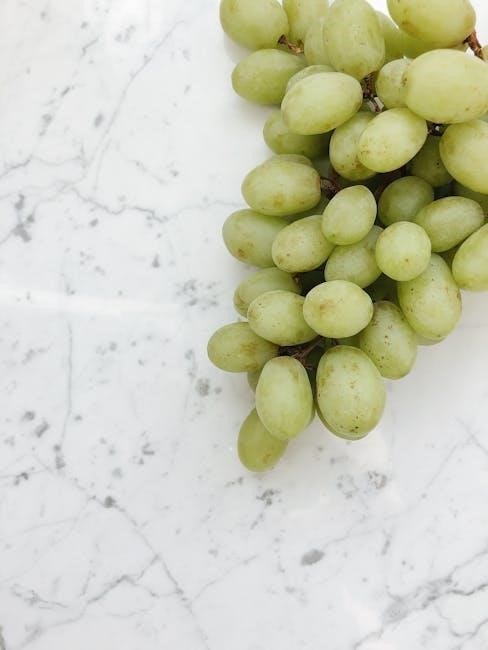
Bananas, grapes, and kiwis are also excellent picks, offering potassium, antioxidants, and digestive benefits. Prioritizing whole fruits over juices helps maintain fiber content, promoting satiety and better blood sugar control. These nutrient-dense options are ideal for supporting overall health while keeping fat intake low.
Low-Fat Fruit Combinations and Recipes
Low-fat fruit combinations enhance the nutritional value of meals. A berry and banana smoothie can be made with Greek yogurt for a creamy texture, while maintaining low fat. Add spinach or kale for extra nutrients. A citrus and melon salad blends refreshing flavors, featuring vitamin C-rich oranges or grapefruits with juicy cantaloupe or honeydew. Top with cinnamon or a sprinkle of nuts for a satisfying crunch without excess fat. These recipes leverage the natural sweetness of fruits, offering delicious, nutritious, and heart-healthy options without compromising taste.
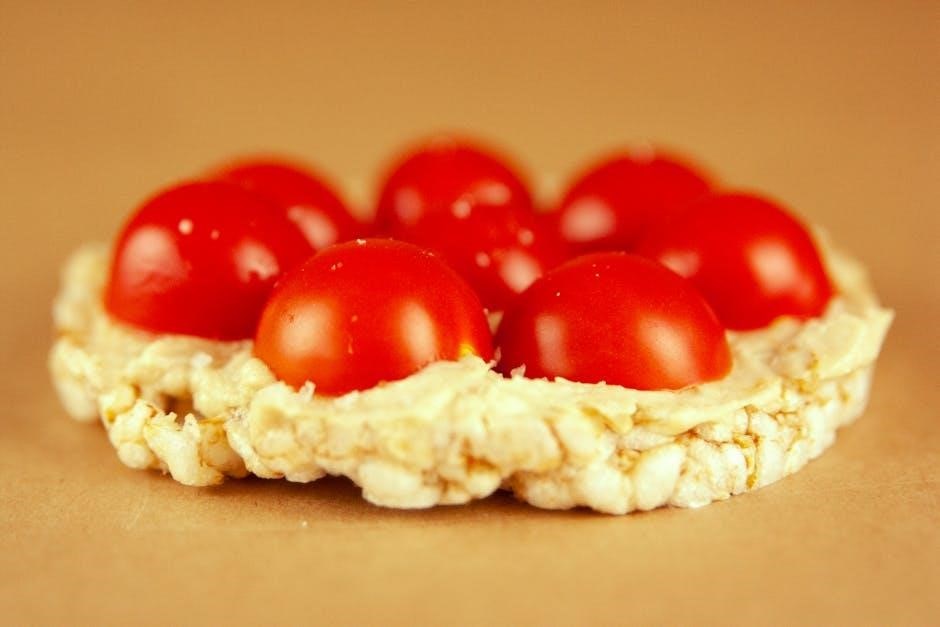
Low-Fat Vegetables: Key Choices
Choose vegetables like broccoli, carrots, zucchini, cauliflower; packed with vitamins C, A, fiber, and folate. These nutrient-rich options promote health, digestion, and weight management, reducing the risk of chronic diseases.
Highly Nutritious, Low-Fat Vegetables
Spinach, bell peppers, and tomatoes are excellent choices for a low-fat diet. Spinach is rich in iron and vitamins, while bell peppers provide vitamin C and antioxidants. Tomatoes offer lycopene and fiber. Broccoli, carrots, and leafy greens also shine with vitamins A and C. Incorporating these into meals ups nutrient intake without excess fat. Prioritizing diverse, nutrient-dense veggies supports overall health and helps maintain a balanced diet.
Vegetable-Based Meal Ideas for Weight Management
Incorporating vegetables into meals iskey for weight management. Consider a chickpea stir-fry with broccoli, carrots, and zucchini, flavored with garlic and ginger. A roasted vegetable wrap with spinach, bell peppers, and whole-grain tortilla is filling and nutritious. For versatility, try zucchini noodles tossed with tomato sauce and mushrooms, or a cauliflower mash as a low-carb side. These low-fat, vegetable-based options help control calorie intake while boosting fiber and essential nutrients.
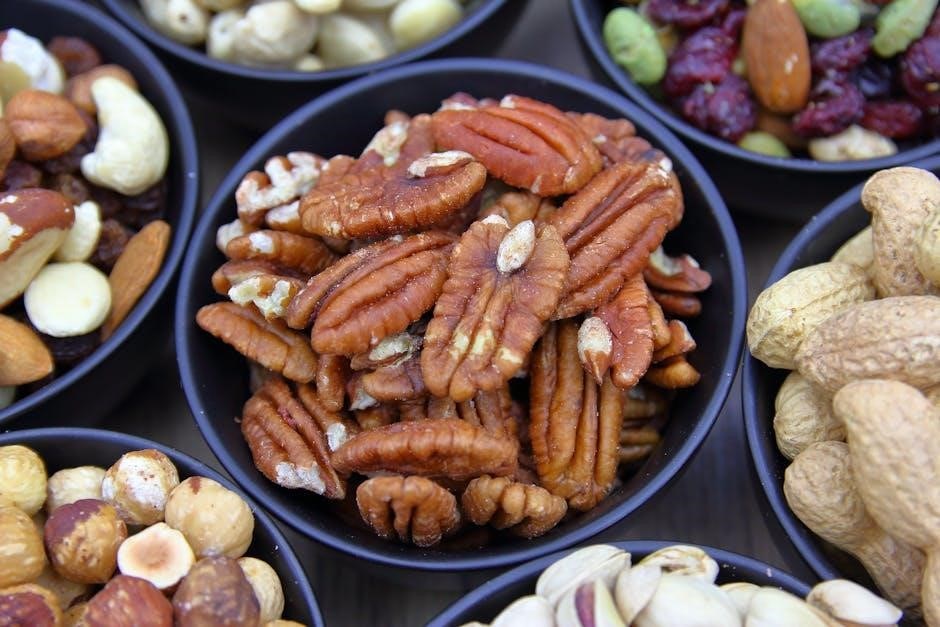
Low-Fat Grains and Cereals
Including low-fat grains and cereals in your diet promotes heart health and aids weight management. Opt for whole-grain bread, brown rice, oats, and quinoa. Avoid cereals high in added sugars and saturated fats. Incorporate these nutrient-rich options to stay full and energized throughout the day.
Essential Grain Options for a Low-Fat Diet
Whole grains like brown rice, quinoa, oats, and barley are excellent choices for a low-fat diet. They are high in fiber and nutrients, promoting digestion and satiety. Avoid refined grains fried or high in added sugars. Instead, opt for whole-grain pasta, bread, and cereals to keep meals balanced and heart-healthy.
Amaranth and millet are additional low-fat grain options packed with protein and vitamins. They pair well with vegetables and lean proteins for nutritious, fulfilling meals. Incorporating these grains into your diet ensures a steady supply of energy while maintaining low-fat intake.
Low-Fat Cereal and Breakfast Ideas
Choosing the right cereals is key to a healthy low-fat breakfast. Options like whole-grain oats, Bran Flakes, and shredded wheat are excellent choices, as they are high in fiber and nutrients while being low in fat. These cereals are also heart-healthy and help keep you full longer.
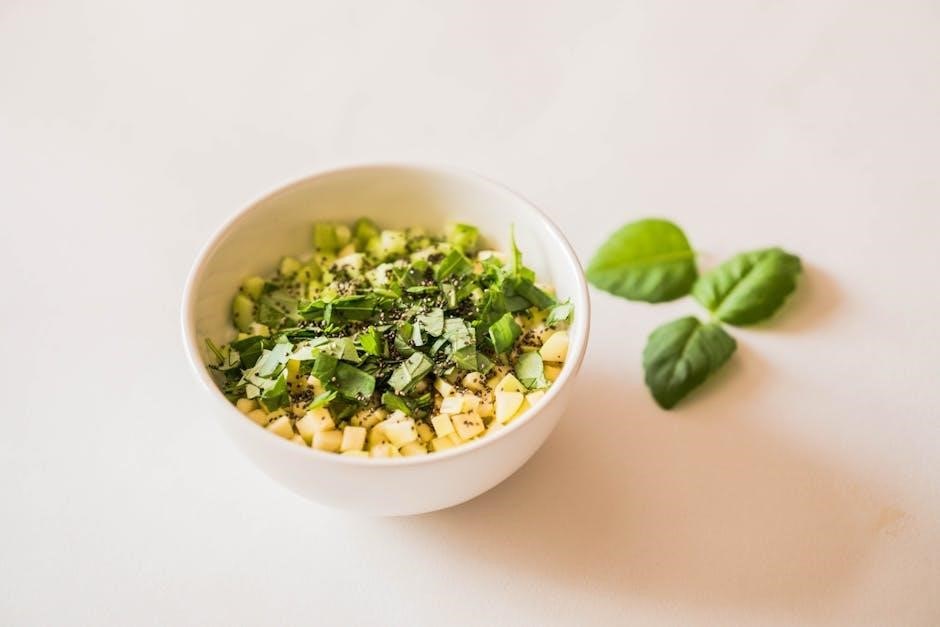
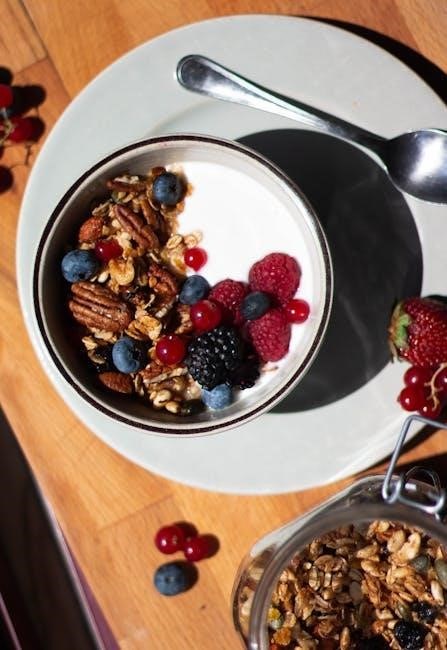
Start your day with a bowl of oatmeal topped with fresh berries or a sliced banana. Add a drizzle of honey or a sprinkle of cinnamon for natural sweetness. For a quick option, pair low-fat milk or plant-based alternatives with whole-grain cereals. You can also mix in a tablespoon of nut butter for added protein, ensuring moderation to keep fat intake low. These breakfast ideas are simple, delicious, and align with a low-fat!
Low-Fat Protein Sources
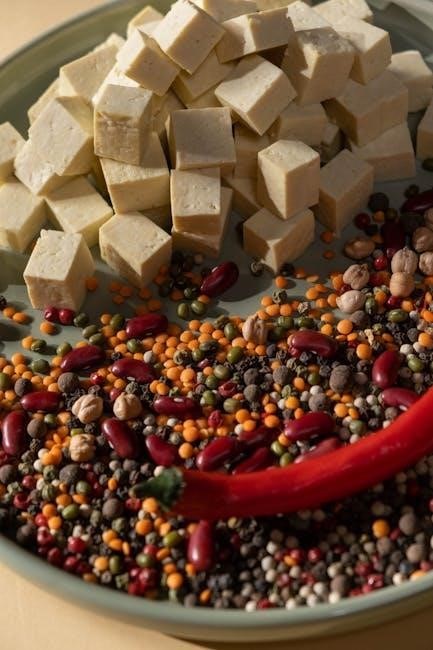
A low-fat diet encourages plant-based proteins like tofu, lentils, and beans, while lean animal proteins such as chicken, turkey, and fish are also options. Limiting fatty cuts and choosing heart-healthy sources helps maintain a balanced diet. Nuts and seeds can complement meals but should be consumed in moderation.
Plant-Based Proteins for a Low-Fat Diet
Plant-based proteins are excellent choices for a low-fat diet, offering essential nutrients without excess fat. Tofu, tempeh, and lentils are versatile options that provide high-quality protein while being low in fat. Chickpeas, quinoa, and beans also contribute valuable fiber and minerals like iron and zinc. These proteins support muscle health and heart well-being. Incorporating a variety of plant-based proteins ensures a balanced, flavorful diet. For example, roasted chickpeas make a satisfying snack, while quinoa can be used as a base for salads or stir-fries. By focusing on whole, nutrient-dense plant-based proteins, you can meet your protein needs without compromising on taste or health benefits.
Low-Fat Animal Protein Options
Animal proteins can still be part of a low-fat diet when chosen Wisely. Skinless poultry, such as chicken and turkey, provides high-quality protein with minimal fat. Lean cuts of beef and pork, like sirloin and pork tenderloin, are also suitable options when prepared without added fats. Fish like cod and tilapia are excellent low-fat choices. Eggs, particularly egg whites, are another low-fat protein source. To maintain low fat intake, opt for cooking methods like grilling, baking, or steaming rather than frying. These protein choices support muscle health and a balanced diet while keeping fat content in check for a heart-healthy lifestyle.
Dairy Products in a Low-Fat Diet
Low-fat dairy options like skim milk, low-fat yogurt, and reduced-fat cheese are excellent additions to a low-fat diet. Opt for these alternatives to full-fat products to maintain essential nutrients while controlling calorie intake. Moderate portion sizes to balance your daily fat consumption effectively.
Low-Fat Dairy Alternatives
When following a low-fat diet, choosing alternatives to full-fat dairy is essential. Low-fat or skim milk, reduced-fat cheeses, and low-fat yogurt are excellent options. Almond milk, soy milk, and oat milk are also great substitutes that are naturally low in fat. These alternatives help reduce saturated fat intake while providing calcium, protein, and other vital nutrients. Avoid high-fat dairy like cream, whole milk, and fatty cheeses. Incorporate these low-fat dairy alternatives into meals and snacks to maintain nutritional balance without excessive calories. Always check labels for fat content and opt for unsweetened, unflavored versions to avoid added sugars. By making these choices, you can enjoy the benefits of dairy while adhering to your low-fat diet goals.
How to Incorporate Dairy into a Low-Fat Plan
Incorporating dairy into a low-fat diet requires choosing wisely. Opt for low-fat or skim milk, reduced-fat cheeses, and plain Greek yogurt. Use these in meals like smoothies, oatmeal, or salads. For example, add a splash of skim milk to oatmeal or sprinkle low-fat cheese on vegetables. Include yogurt as a protein-rich snack or creamy dip. Always check labels to ensure fat content aligns with your goals. By making these mindful choices, you can enjoy dairy’s benefits without compromising your low-fat diet. Get creative with ingredients to keep meals balanced and flavorful.
Creating a Low-Fat Meal Plan
Creating a low-fat meal plan involves carefully selecting food combinations that align with your dietary goals. Incorporate a variety of nutrient-dense, low-fat foods such as fruits, vegetables, whole grains, and lean proteins. Focus on balanced nutrition while managing portion sizes to maintain a healthy weight and promote overall well-being.
Daily Meal Ideas for a Balanced Low-Fat Diet
Woman, try a breakfast of oatmeal topped with berries and a sprinkle of nuts. For lunch, enjoy a grilled chicken or turkey sandwich on whole-grain bread with crisp vegetables like lettuce, tomato, and cucumber; Dinner could feature baked salmon or a lean meat alternative paired with steamed broccoli and quinoa. Snack on fresh fruit, such as an apple or orange, and drink water throughout the day. For a balanced approach, focus on whole, nutrient-dense foods while keeping fats like oils and spreads to a minimum. Incorporate a variety of low-fat options to keep meals exciting and sustainable over time.
Low-Fat Snacks and Between-Meal Options
Stay full and satisfied with low-fat snacks like fresh fruit, air-popped popcorn, or raw vegetables paired with hummus. Opt for whole-grain crackers with low-fat cheese or yogurt. Protein-rich options like hard-boiled eggs or a small handful of unsalted nuts can also keep energy levels steady. Choose nutrient-dense snacks like smoothies made with low-fat milk or Greek yogurt and spinach. Keep portion sizes in check and prioritize whole, unprocessed foods to maintain a balanced approach. Healthy, low-fat snacks help manage hunger and provide essential nutrients without excess fat.
Staying Hydrated and Active
Staying hydrated is essential for a low-fat diet. Water aids digestion, flushes toxins, and supports exercise. Aim to drink plenty of water throughout the day and stay active to maintain a healthy lifestyle.
The Role of Water in a Low-Fat Diet
Water plays a vital role in supporting a low-fat diet by aiding digestion and breaking down fats in the body. It helps flush out waste and toxins, keeping your digestive system healthy. Staying hydrated also prevents bloating and constipation, which are common concerns when following a reduced-fat eating plan. Drinking ample water supports your body’s ability to metabolize nutrients efficiently, ensuring that you feel energized and avoid unnecessary cravings. Additionally, proper hydration is essential for maintaining physical activity levels, which complements a low-fat lifestyle. Remember, water is a calorie-free choice that supports your weight management goals while promoting overall well-being. Did you know that our low-fat diet food list PDF includes tips for staying hydrated? Download it today for more insights!
Exercise Tips for a Healthy Low-Fat Lifestyle
Regular physical activity complements a low-fat diet by enhancing weight management and overall health. Incorporate cardio like brisk walking or swimming for at least 30 minutes daily. Strength training exercises, such as bodyweight workouts or light weights, build muscle and boost metabolism. Pair exercise with a low-fat diet to maximize fat loss and improve heart health. Consistency is key—aim for at least 5 days of moderate exercise weekly. Stay hydrated before, during, and after workouts to optimize performance and recovery. Remember, movement matters! Combine exercise with a balanced low-fat diet to achieve long-term wellness. Don’t forget to consult our low-fat diet food list PDF for healthy meal ideas to fuel your workouts!
Monitoring Progress on a Low-Fat Diet
Track your fat intake daily, aiming for 25-35% of calories from fat. Regularly weigh yourself to maintain a healthy weight. Use the low-fat diet food list PDF to guide portion control and meal planning. Consistency and внимательность are key to achieving long-term success!
Tracking Dietary Fat Intake
Effective tracking of dietary fat is essential for adhering to a low-fat diet. Use a food diary or app to monitor fat consumption daily. Pay attention to portion sizes and fat content in each meal. The low-fat diet food list PDF can guide your choices, helping you stay within the recommended 25-35% of calories from fat. Regularly weigh yourself to ensure you are maintaining a healthy weight. Keep hydrated and opt for nutrient-rich, low-fat foods to support overall health. Monitoring progress consistently will help you stay on track and achieve your goals. Remember, mindfulness and accountability are key to success.
How to Maintain a Healthy Weight with a Low-Fat Diet
Maintaining a healthy weight on a low-fat diet requires balanced eating and mindfulness. Use the low-fat diet food list PDF to guide your choices, focusing on nutrient-rich, low-calorie options. Prioritize whole foods like fruits, vegetables, lean proteins, and whole grains. Monitor portion sizes and aim for meals with less than 25% of calories from fat. Incorporate regular physical activity to support weight management and overall health. Avoid processed foods and unhealthy fats, opting instead for heart-healthy fats in moderation. By following these principles, you can sustain a healthy weight while enjoying delicious, satisfying meals.
Common Mistakes to Avoid
Common mistakes include solely focusing on fat reduction, ignoring essential nutrients, overindulging in low-fat processed foods, avoiding all fats, and neglecting physical activity. A balanced approach ensures sustainability and prevents health risks. Download the low-fat diet food list PDF for guidance!
Misconceptions About Low-Fat Diets
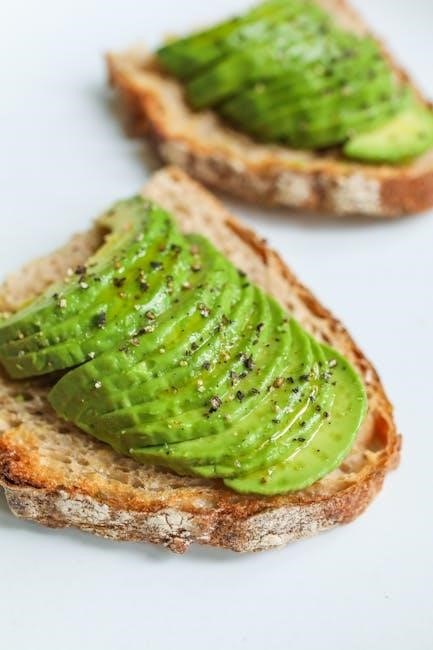
Misconceptions about low-fat diets often arise from a misunderstanding of fat’s role in nutrition. Contrary to belief, not all fats are unhealthy—heart-healthy fats like avocados and nuts are beneficial. Another myth is that low-fat diets eliminate enjoyable foods, but options like fruits, vegetables, lean proteins, and whole grains offer flavor and satisfaction. Some assume low-fat means high-carb, but balanced plans prioritize nutrient-dense choices. Lastly, the belief that eliminating all fats is necessary for weight loss overlooks the importance of moderation and a holistic approach to diet. Properly planned, low-fat diets are sustainable and support overall health.
How to Stay on Track with Your Low-Fat Goals
Maintaining a low-fat diet requires strategic planning and consistency. Start by meal prepping to avoid impulsive food choices. Always review your low-fat food list PDF before grocery shopping to ensure you only pick nutrient-dense options. Stay hydrated, as water can curb cravings and help with digestion. Incorporate a variety of fruits, vegetables, lean proteins, and whole grains to keep meals satisfying. Avoid all-or-nothing thinking; instead, allow occasional indulgences in moderation. Track your progress using a food diary or app to stay accountable. Finally, celebrate small victories to stay motivated and focused on long-term goals.
A low-fat diet prioritizes nutrient-dense foods. By focusing on fruits, vegetables, lean proteins, and whole grains, you can maintain a balanced, heart-healthy lifestyle. Remember to stay hydrated, incorporate regular physical activity, and monitor your progress to ensure you stay on track. Avoid common pitfalls like consuming excessive saturated fats and opt for healthier alternatives. With dedication and consistency, a low-fat diet can help you achieve and maintain a healthy weight, reducing the risk of chronic diseases. Use your low-fat food list PDF to stay informed and inspired. Embrace this dietary approach for long-term well-being and enhanced energy levels.
Leave a Reply
You must be logged in to post a comment.